How to choose pilates leggings that actually stay put
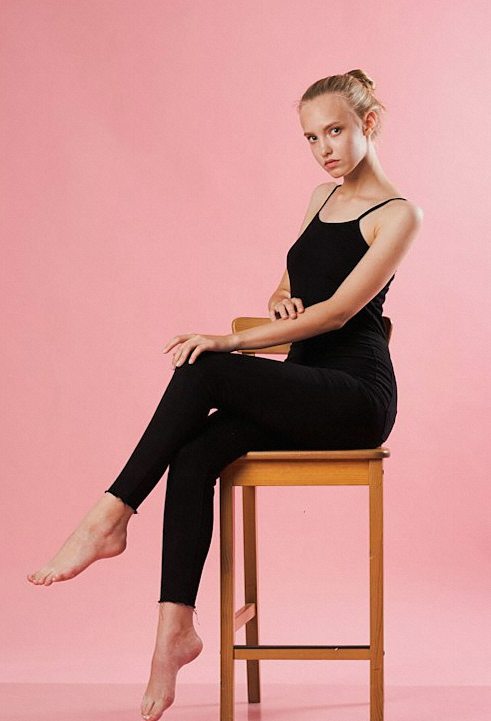
Most activewear leggings are designed for the gym floor, not the reformer carriage. The demands of pilates, particularly reformer pilates, are specific enough that a legging which works fine for running or weight training will often fail in ways that are genuinely distracting during a class.
Fabric composition: what the numbers mean
The most common fabric for pilates leggings is a nylon-elastane blend, usually somewhere between 70% and 85% nylon with the remainder being elastane (also sold as spandex or Lycra). The nylon provides durability and shape retention; the elastane provides stretch and recovery. A higher elastane percentage does not automatically mean better stretch. What matters more is the quality of the yarn and how the fabric is knitted.
Polyester-elastane blends are cheaper to produce and more common in lower-price leggings. They tend to pill faster and do not recover their shape as reliably after repeated stretching. For regular pilates training, a nylon-elastane blend will generally last longer and hold its shape better through a full season of use.
vs. Cut-and-sew construction
Cut-and-sew leggings have seams along the inner leg, outer leg, and often through the gusset. In a reformer class, where your legs are frequently in contact with the carriage and the straps, these seams can cause irritation over the course of a 55-minute session. Leggings are knitted in one piece on a circular loom, which eliminates the side seams entirely.
The gusset construction matters separately. A gusset that is cut too narrow will pull during leg circles, arabesque holds, and any exercise that requires a wide hip opening. Look for leggings that describe the gusset geometry specifically, or that are designed by someone with actual pilates training experience.
The waistband: the detail most brands get wrong
A rolling waistband is the most common complaint about pilates leggings. It happens when the waistband fabric has too much stretch relative to the body of the legging, or when the inner edge is not secured. A bonded inner edge, where the waistband is heat-sealed or stitched flat against the skin side, prevents rolling through inversions and forward folds.
Width matters too. A waistband narrower than 6 cm tends to fold over rather than roll, which is a different problem but equally distracting. Most pilates-specific leggings use a waistband of 7 to 9 cm.
Opacity: how to check before you buy
Opacity is straightforward to test at home. Hold the legging over a light source, such as a phone screen or a lamp, and look for any transparency. If you can see the light through the fabric, you will likely see transparency during a deep squat or a forward fold in class.
Lighter colourways, particularly pale greys, whites, and pastels, are more likely to show transparency than darker colours. If you are buying a pale colourway, check whether the brand tests for opacity specifically, and whether they note it on the product page.
Choosing a pilates legging is mostly about knowing which specific details to look for. Once you know what a good waistband feels like and what fabric composition to look for, the decision gets much simpler.